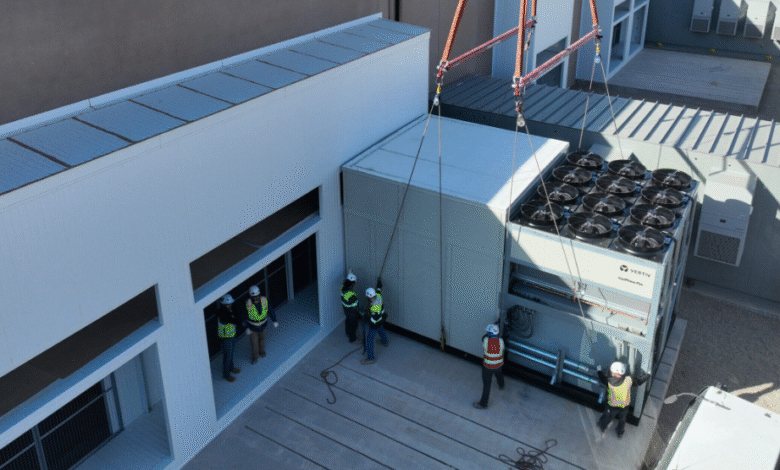
In today’s rapidly evolving digital landscape, businesses require flexible, scalable, and efficient data management systems. A modular data center solution provides the ideal answer, combining speed, reliability, and cost-effectiveness to meet modern IT demands.
What is a Modular Data Center Solution?
A modular data center solution is a prefabricated, self-contained system that delivers computing, storage, and networking resources within a standardized module. Unlike traditional data centers, which require long construction times and complex setup, modular solutions are designed for rapid deployment and easy scalability. Each module can function independently or integrate with other modules, providing unmatched flexibility.
Key Features of Modular Data Centers
- Scalability: Modular units can be added or removed based on your growing data demands. This eliminates the need to over-invest in infrastructure upfront.
- Rapid Deployment: Prefabricated modules are manufactured off-site, significantly reducing setup time compared to traditional builds.
- Energy Efficiency: Modern modular data centers incorporate advanced cooling and power management systems, optimizing energy consumption.
- Flexibility: Modules can be customized to specific business requirements, from computing capacity to security and environmental controls.
- Cost-Effectiveness: By allowing incremental expansion, businesses avoid large capital expenditures and reduce operational costs.
See also: Where to Use Evig AV Solutions for Maximum Impact in Your Space
Advantages of a Modular Data Center Solution
- Reduced Time-to-Market: Businesses can deploy IT infrastructure quickly without waiting months for construction.
- Adaptable Design: Supports varying workloads and can be reconfigured as technology evolves.
- Enhanced Reliability: Built with redundancy and fault-tolerant systems to ensure continuous operation.
- Simplified Maintenance: Modular design allows for easier maintenance and upgrades without disrupting the entire infrastructure.
Applications of Modular Data Centers
- Enterprise IT Expansion: Ideal for companies experiencing rapid growth or requiring temporary capacity.
- Edge Computing: Supports distributed networks with local processing, reducing latency.
- Disaster Recovery: Provides a reliable backup infrastructure that can be deployed quickly in emergency situations.
- Telecommunication Hubs: Powers high-demand networks efficiently with minimal downtime.
Implementation Considerations
When planning a modular data center, several factors should be considered:
- Power and Cooling Requirements: Ensure the module can handle peak loads without overheating.
- Connectivity: High-speed network connections are essential for seamless operation.
- Physical Space: Evaluate site conditions to ensure modules fit efficiently.
- Security: Physical and cybersecurity measures should meet regulatory standards.
FAQs
1. How long does it take to deploy a modular data center solution?
Deployment can take as little as a few weeks to a few months, depending on the size and complexity of the modules.
2. Can a modular data center be relocated?
Yes, modular units are designed for mobility and can be transported to different locations with minimal effort.
3. Is a modular data center costlier than a traditional one?
While the initial cost may be higher per module, the overall cost is often lower due to reduced construction time, energy efficiency, and scalability.
4. Are modular data centers secure?
Absolutely. Modern modular units include robust physical security, fire suppression systems, and compliance with industry standards.
5. Can modular data centers support high-performance computing?
Yes, they can be customized with powerful servers, storage, and networking equipment to support demanding workloads.
Conclusion
A modular data center solution represents the future of IT infrastructure, providing businesses with flexibility, rapid deployment, and cost-efficient scalability. By embracing modular designs, organizations can meet growing digital demands, enhance operational reliability, and remain agile in a competitive landscape. Whether for enterprise expansion, edge computing, or disaster recovery, modular data centers offer a robust solution to modern data challenges.